The brief
Replacing a film that had run for five years.
FWD’s brand intro film had been in market for over five years. The brand had moved on, and the storytelling needed to catch up. I led the creative direction on its replacement — in-house, working directly with the production house rather than through an agency.
Rather than produce a single fixed film, we designed the video around a modular structure: a core cast carried through the whole piece, with space built in for market campaign and listing footage to be swapped in later. That gave the video a long shelf life and let each market adapt it without a full reshoot.
My role
One creative vision, carried end to end.
With no agency involved, I held the creative thread across the whole production. I drafted the initial storyboard direction, aligned the production house on the new approach, confirmed casting and wardrobe, and worked on the master cut — pacing, edits, and cuts — alongside my manager and the production house. On localization, I handled the AI audio as each market called out what it needed changed. The production house executed and collaborated; the core creative decisions were mine to shape and defend.
The concept
From “insurance as a person” to a refined brand register.
The first storyboard explored a bolder idea: portraying FWD as a person — a presence moving alongside different protagonists as they celebrated living. As the concept matured through review, it evolved toward a cleaner, more standard corporate approach that kept the human warmth but read more clearly across markets. The final storyboard and script came together in partnership with the production house.
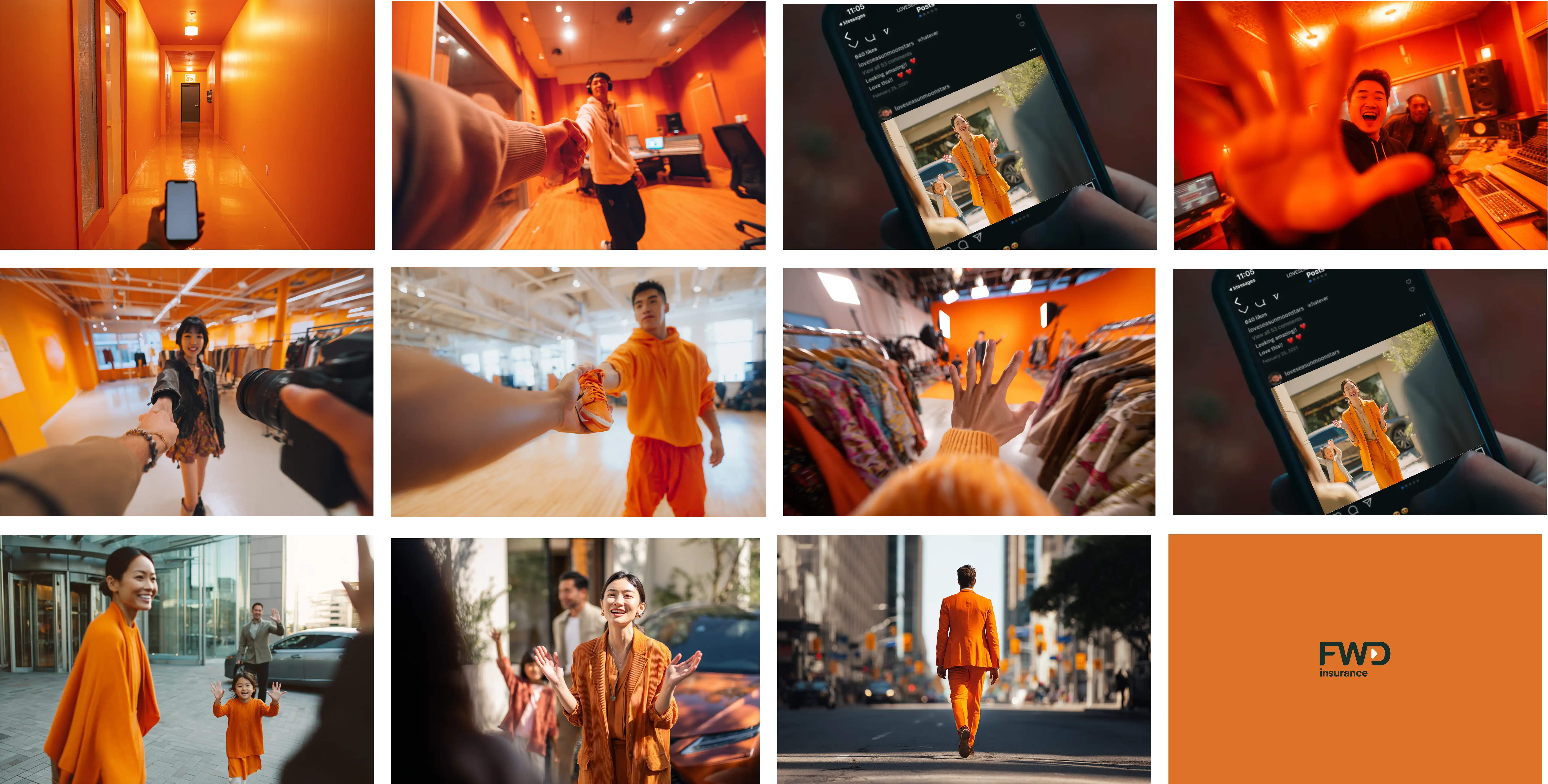
Early concept board
The storyboard gave the production team a clear reference for pacing, scene transitions, and emotional tone — and gave me a way to pressure-test the visual ideas before committing to them.
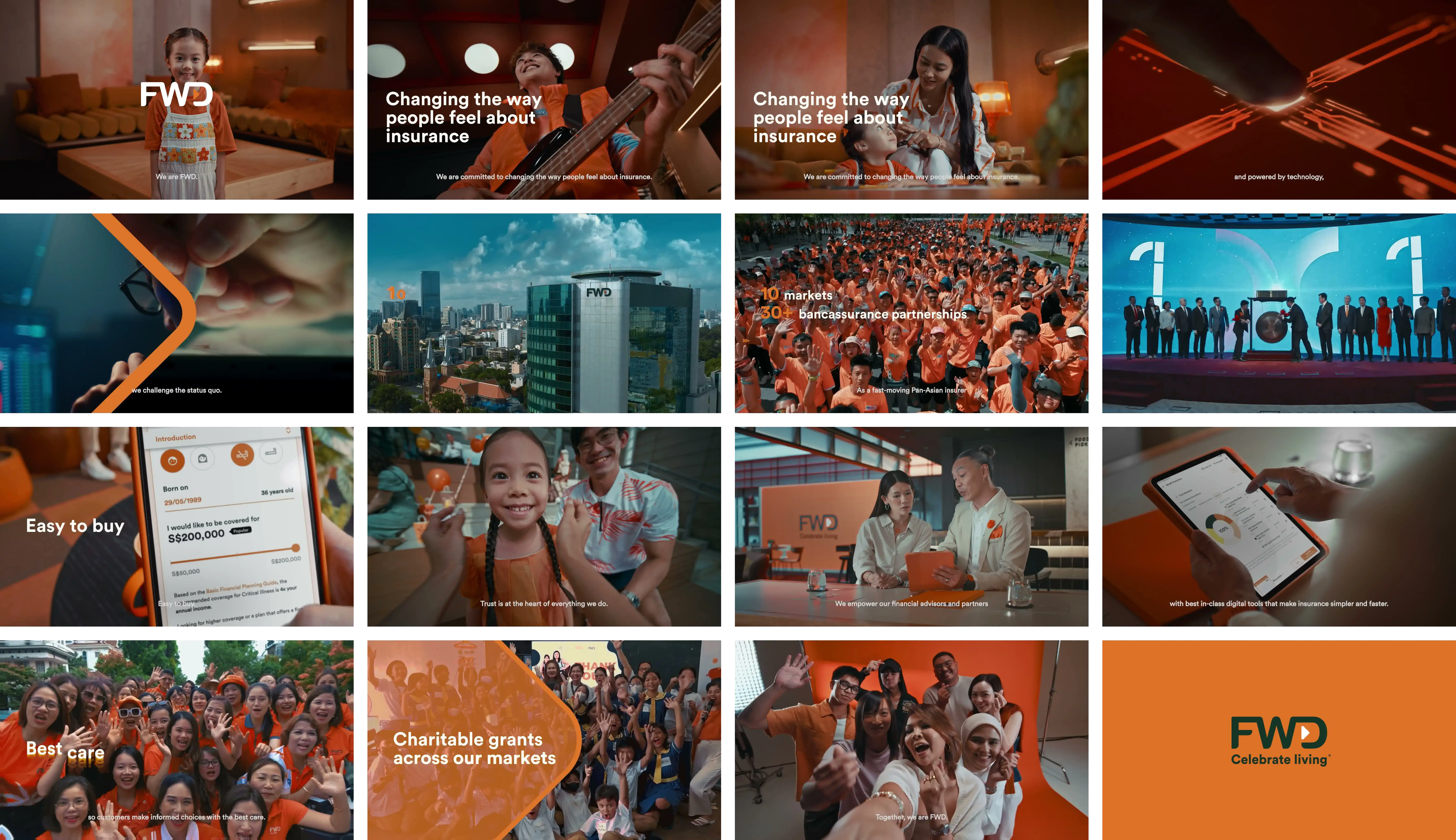
Final Shots
Casting & wardrobe
Bringing real people to life.
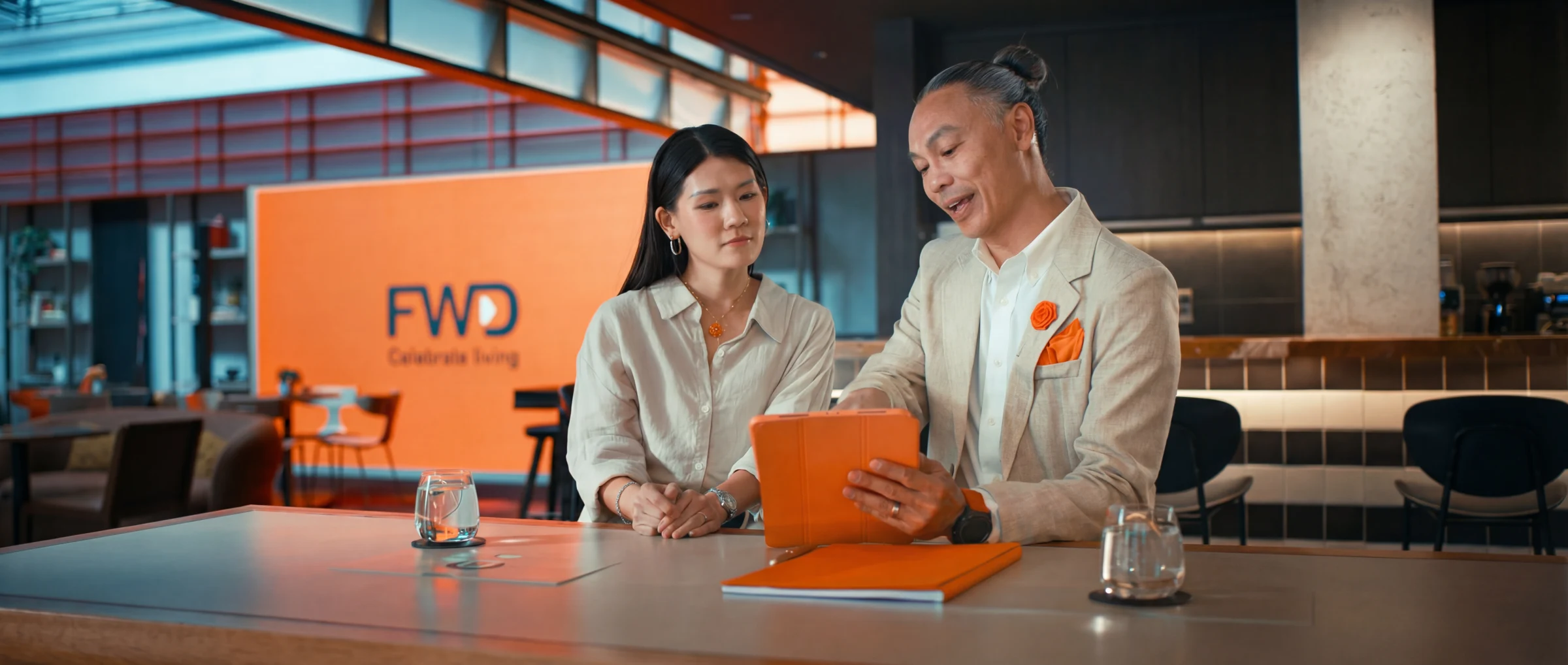
To keep the film grounded and authentic, we cast a mix of professional talent and actual FWD employees. I confirmed the casting and wardrobe decisions to make sure the people on screen matched the tone we were after — human rather than staged. The blend kept the brand feeling real, and that came through.

Jimmy Kwok
FWD Group Singapore
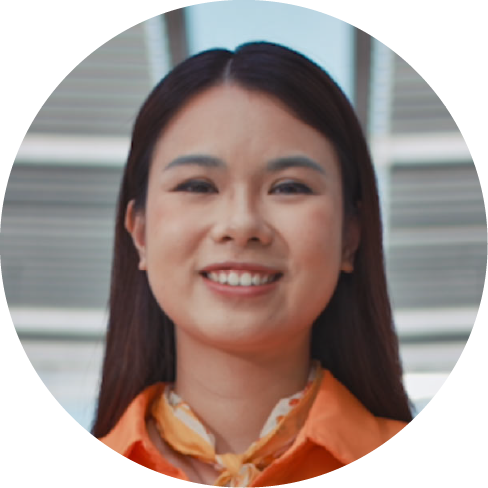
Trang Cu
FWD Group Singapore

Semi Lee
FWD Group Singapore
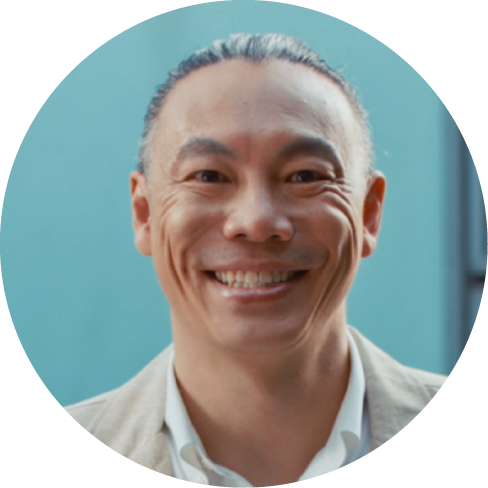
Clive Lam
FWD Group Singapore
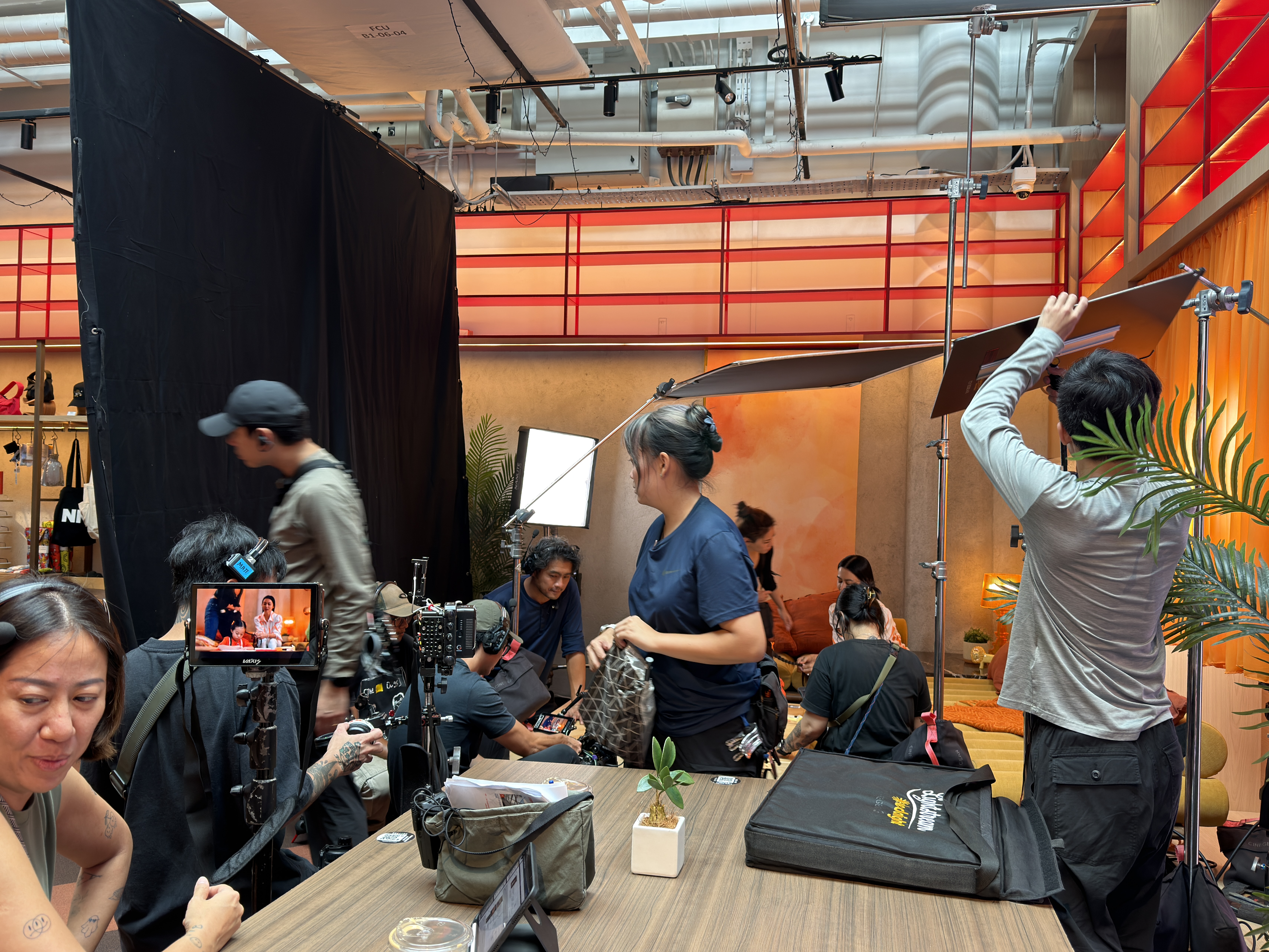
BTS - Cafe scene
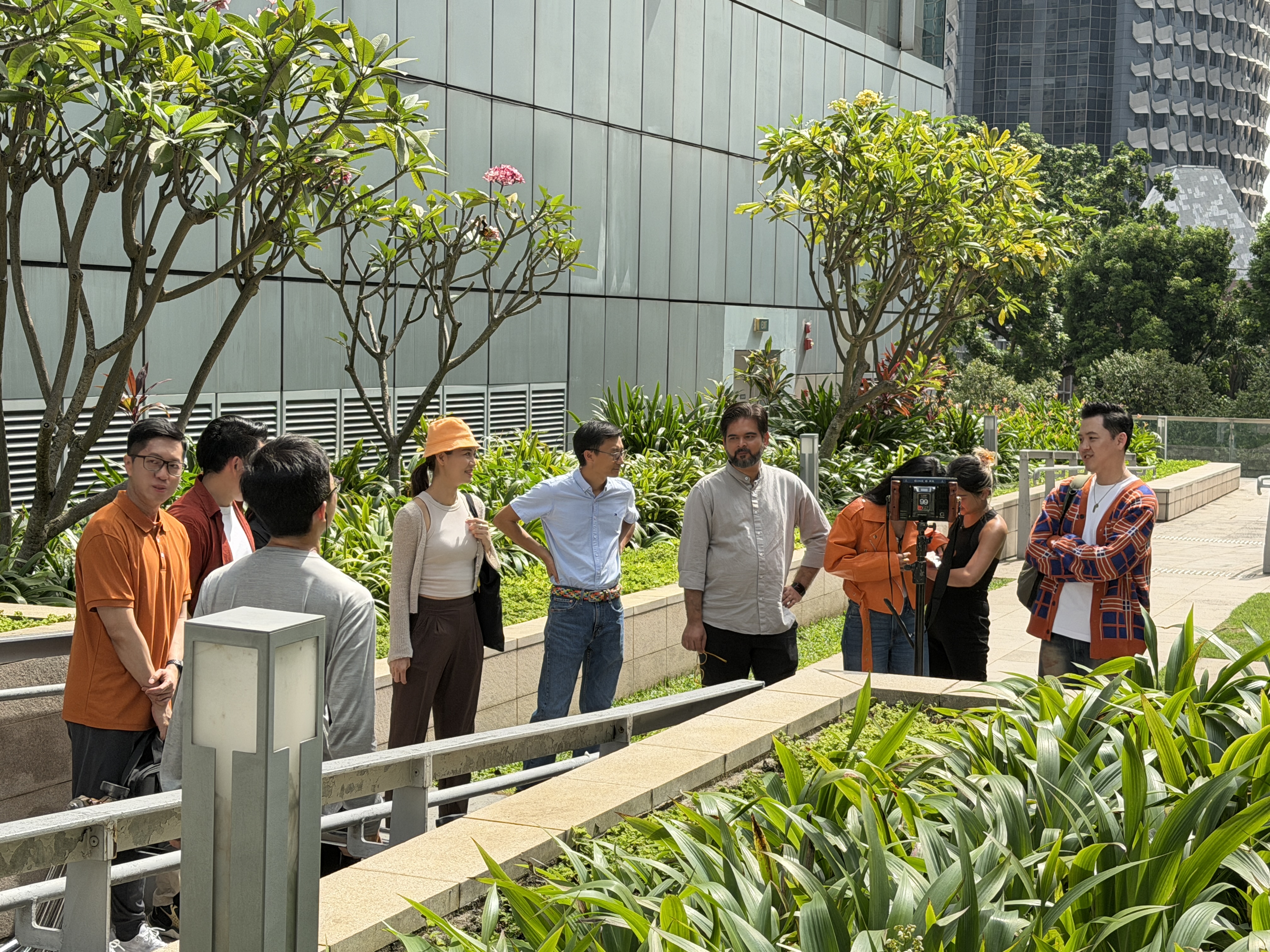
BTS - Suntech Tower
Key visuals
A consistent visual language across the film.
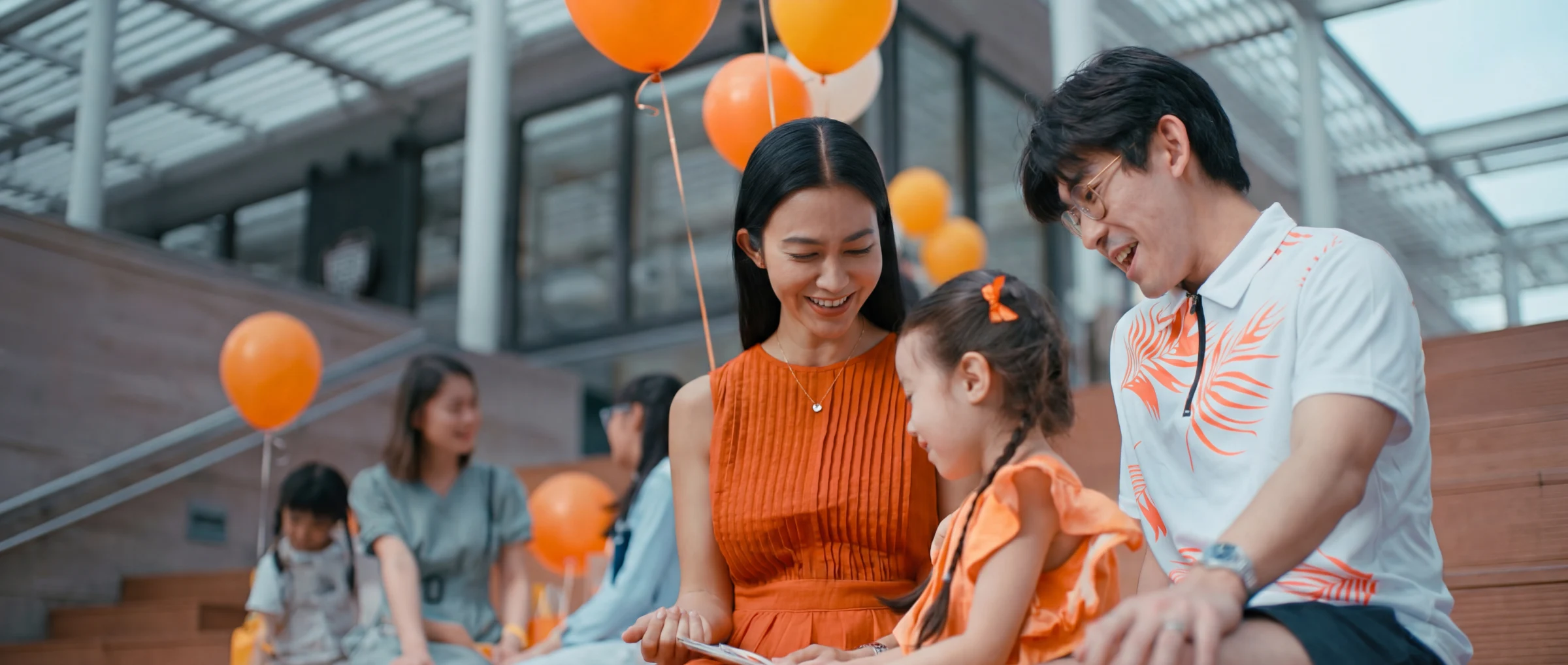
Gift - Thailand
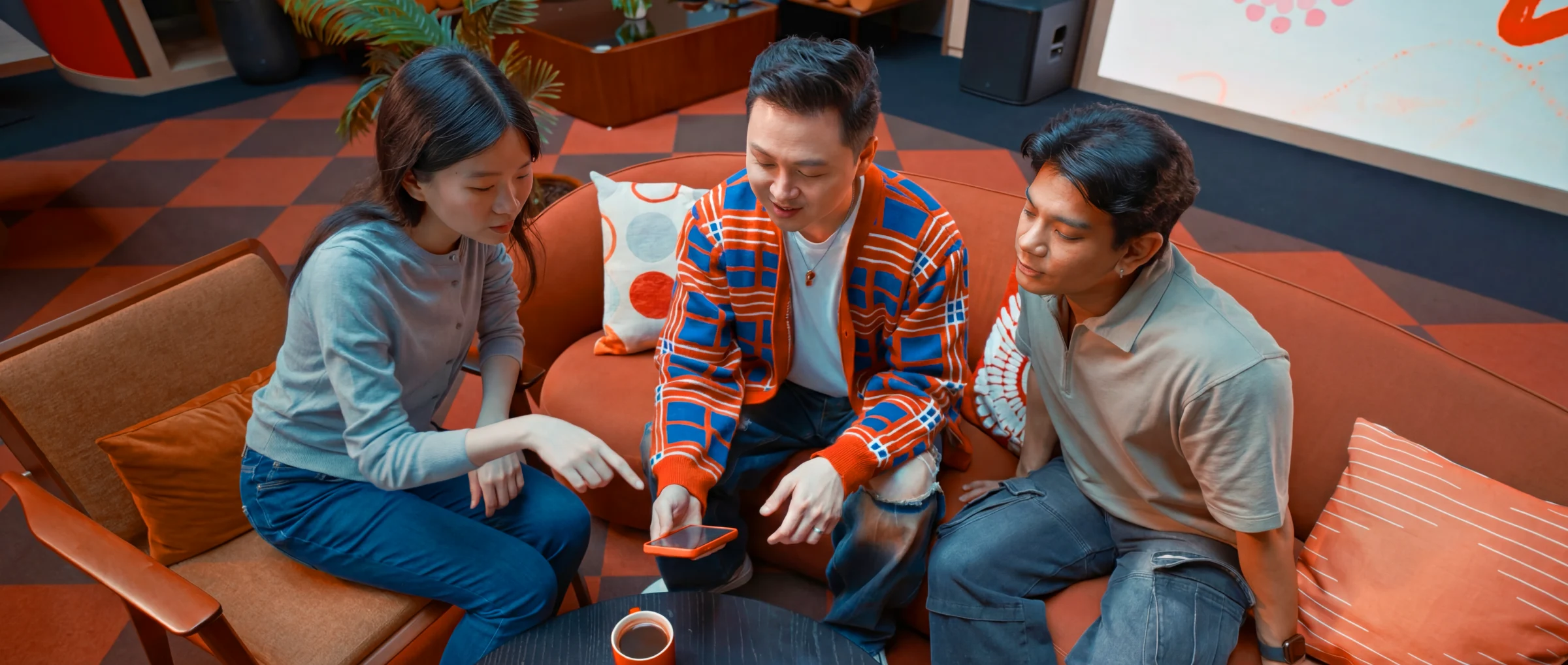
Haruka - Japan
Haruka - Japan
The master cut
Shaping the cut.
I worked on the master cut alongside my manager and the production house — weighing in on pacing, suggesting edits, and refining the cut until it landed. This was the stage where the storyboard’s intent had to survive contact with real footage, and getting the rhythm right was what made the final film feel like one piece rather than a sequence of scenes.
Final video
Localization
One film, many markets.
The modular structure is what made localization light. Each market specified what it needed changed — usually a few footage swaps and localized supers — and the main lift on my side was the AI audio for voice. Because the film was built to flex, regions could adapt it without rebuilding from scratch.